
Tight muscles happen.
They stem from postural stress – like a long week at the office. Or physical stress – like a long week of pickleball matches. Or psychological stress – like a long week in world news.
Whatever the source, here are 7 proven strategies to unlock tight muscles and relieve pain.
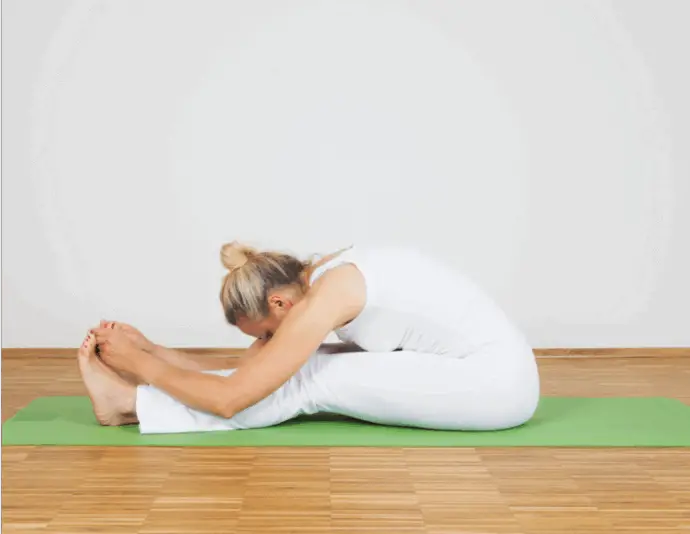
1. Stretch
I’ve written elsewhere that stretching is overrated. And it is. Static stretching does not prevent injury and can hinder athletic performance.
However, stretching can relieve pain associated with muscle tightness. Stretching down-regulates muscle tone to increase flexibility. Subsequently, a muscle may feel “looser” after stretching.
Current studies suggest at least 90 seconds of stretching to gain flexibility and unlock tight muscles.

2. Active Recovery
Light cardio relieves stress and shunts blood flow to muscles – both effects make muscles feel less tight.
Tight muscles contain trigger points – palpable “knots” in the muscle with reduced blood flow and elevated acidity.
Increasing blood flow to the tight muscle is one of the best ways to alleviate trigger point pain.
3. Soft Tissue Mobilization
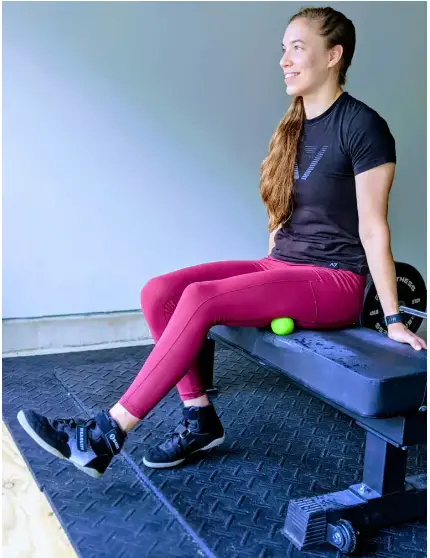
A massage lacrosse ball is one of the best treatment tools to unlock tight muscles.
I recommend this approach to many of my physical therapy clients because it’s an empowering pain-relief strategy that gives them control over their symptoms.
Most clients benefit from rolling the ball around the sorest part of the muscle and holding sustained pressure on the most sensitive trigger points.
The goal: I encourage them to work into mild to moderate therapeutic discomfort with pain relief afterwards.
Many clients ask, “Can I use a foam roller?”
Well, it depends on the muscle.
Foam rollers work great for longer, thinner muscles (quads, gastrocs, adductors, triceps).
But they cover too much surface area to relieve trigger points in smaller or deeper muscles (traps, pecs, infraspinatus, piriformis).
4. Percussion Therapy
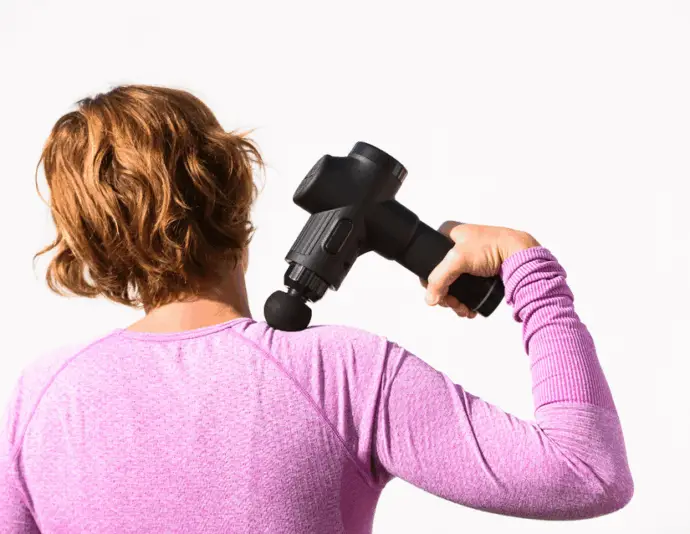
Massage guns offer on-the-go pain relief for athletes and active adults.
While they won’t put me out of a job, massage guns offer nice benefits including pain relief and soreness mitigation.
Pro tips for percussion therapy:
- Get the target muscle in a shortened, relaxed position
- Aim for light to moderate discomfort in the sorest area
- Avoid bony areas; focus on soft tissue
I use the Hypervolt massage gun in my clinic. And honestly, percussion therapy is my PT clients’ favorite treatment because it feels so relaxing for tight muscles.
Related: Do Massage Guns Even Work (The Science of Percussion Therapy)
5. Massage & Manual Therapy
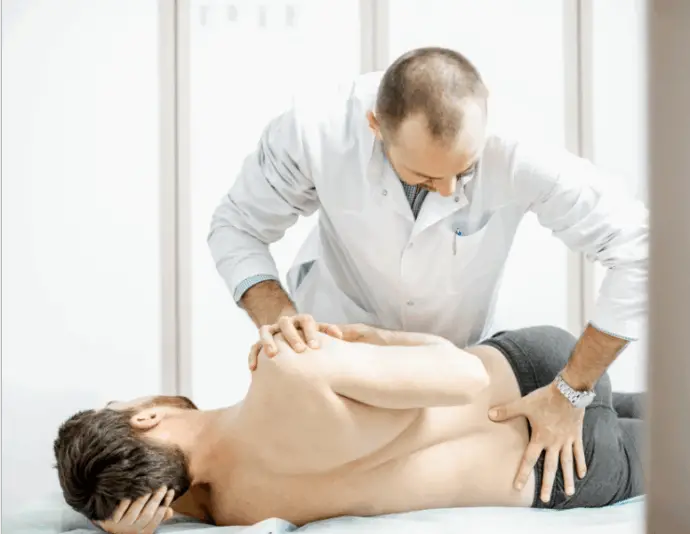
Time to call in the professionals.
Interventions like massage therapy, joint mobilization, spinal manipulation, scraping, cupping, and myofascial release have moderate positive effects for relieving tight muscle pain.
They work best when combined with an exercise-heavy treatment plan.
6. Dry Needling
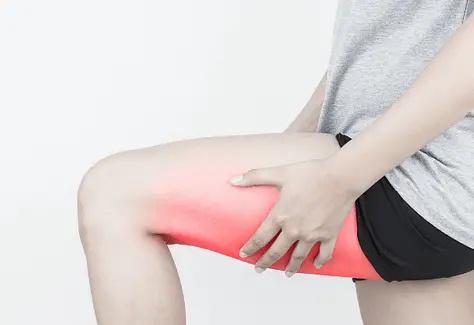
Trigger point dry needling is the most powerful treatment for short-term pain relief of tight muscles.
This treatment involves a trained professional inserting a thin, un-medicated needle into the trigger point to elicit a local twitch response. This “releases” the trigger point and relieves pain.
Does it hurt? Yes, a fair amount.
Does it work? Absolutely.
It’s more effective than acupuncture and other superficial needling treatments. And the pain relief lasts longer than after a massage.
Related: The Authoritative Guide to Dry Needling
7. Build Strength
Muscles get tight after overuse – when there’s more stress (physical, postural or psychological) than they are prepared to tolerate.
In other words, tight muscles are often weak muscles.
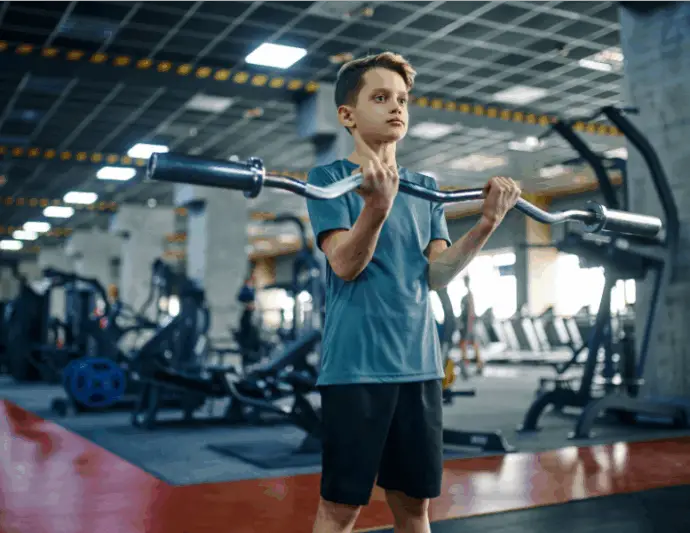
Experts recommend resistance training at least 2 days per week, targeting major muscle groups for bone, muscle and metabolic health.
Want to unlock tight muscles for the long term? Get them strong!
Related:How to Meet Physical Activity Guidelines and Join the Elite 23%
Further Reading
There’s a lot of misinformation and misunderstanding about headaches. Learn about the most common types of headaches, how to treat them, and why migraines might be rarer than you think.
13 Headache Relief Tips (That Actually Work)
And for more evidence-based rehab and recovery insights, join the free Facts & Physio Newsletter. Plus, get The Recovery Checklist when you sign up.