
Let’s debunk 7 common physical therapy myths that I encounter in my PT practice. Starting with the biggest myth about ice…

1) Muscle Injuries Need Ice
Ice is the Flex-Seal tape of pain – just slap it on and hope for the best!
Old injury guidelines like R.I.C.E recommended using ice to block inflammation and relieve pain. It turns out that some degree of inflammation is actually good.
Sure, ice and anti-inflammatories do ease pain. They also slow down recovery. They block the body’s natural inflammatory response and delay tissue healing.
New injury guidelines recommend PEACE & LOVE for muscle injuries.

2) Lifestyle Doesn’t Matter
This myth is insidious, implicit in every remarkable claim made about a supplement or medication.
Supplements and medications offer a “quick fix” that requires little effort. And some offer meaningful benefits.
But supplements and medications can’t replicate or replace the health benefits of quality sleep, solid nutrition, social connection, and regular cardio and resistance exercise.
In the physical therapy realm, factors like smoking, stress, poor sleep and turbulent relationships influence healing just as much as the quality of PT treatments.
Lifestyle makes all the difference with health, recovery and physical performance.

3) Injuries Need Rest
Of all 7 physical therapy myths, this one is closest to the truth. New injury guidelines encourage “protection” of the injured area in lieu of the old recommendation to “rest.”
Too much rest (i.e. immobilization) causes atrophy, weakness, and delayed recovery.
Some injuries (like fractures) need immobilization to heal properly. But most musculoskeletal injuries heal faster when the rehab team prioritizes early mobilization.
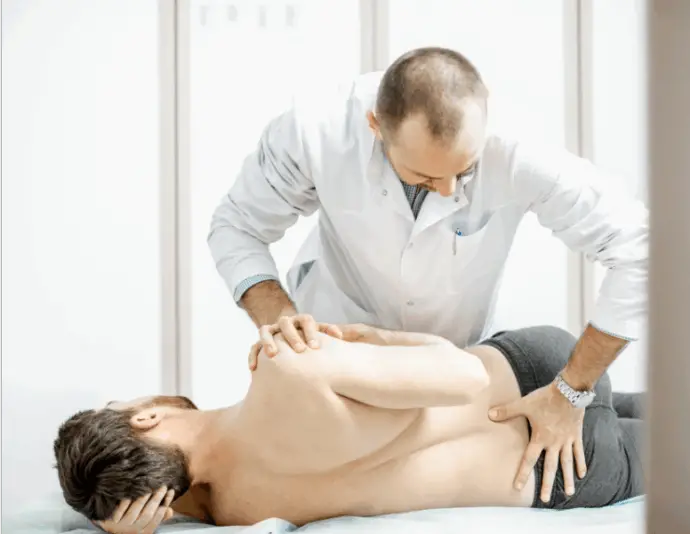
4) Spinal Misalignment Causes Pain (and Chiropractors Can Fix It)
There are so many problems with this theory, which stems from Osteopathic Manual Therapy (OMT) and Chiropractic philosophies.
First, it’s based on a 130-year old theory that hasn’t changed much, despite its inconsistency with actual science.
Second, hip and spine asymmetries exist in just about everyone, including pain-free college athletes (Kraweic 2003).
Third, manual therapists cannot reliably identify which spinal vertebrae they are palpating, much less agree on small variations in vertebral position.
Fourth, there’s little evidence that spinal manipulation actually repositions vertebrae (except in cadavers).
Finally, this paradigm creates dependence on a clinician for a “quick fix” instead of empowering patients with tools to manage their own symptoms.
(Side note: Promoting patient self-efficacy is one reason I like McKenzie exercises so much, and recommend resources like Treat Your Own Back.)
For an even deeper dive on this topic, check out Spinal Alignment: 5 Problems with This Popular Theory
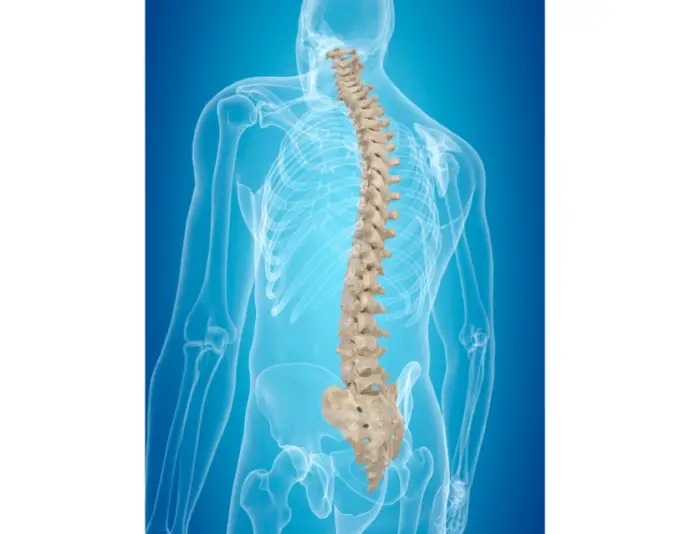
5) Arthritis is Unusual
Most of us have some arthritis. And we don’t feel it.
By the time we reach our 30s, 52% of us have asymptomatic arthritic changes in our spines.
Likewise, most hip osteoarthritis (OA) is pain-free.
And knee OA on X-Ray is a “poor indicator” of actual knee pain symptoms.
6) “It Worked For Me”
Poor treatments can work for a variety of reasons. Placebo pills have cured plenty of real issues!
Just because something worked for you (or your aunt’s 2nd cousin) doesn’t mean it’s backed by science.
Quality research studies compare an intervention across a large population to see how its effects stack up against a placebo treatment.
This roots out placebo effects and clarifies which are real treatment effects from the intervention.

7) Running is Bad for Your Knees
Running is good for your knees. Too little activity is bad for your knees. And so is too much.
One study found that recreational runners had less hip and knee arthritis than their sedentary and competitive running counterparts.
Read more in this article: Is Running Bad for Your Knees?
TL;DR: Staying active and recovering well is optimal for joint health.
The Biggest Myth?
Did I miss any big physical therapy myths? What would you add to the list?
Leave a comment and share your thoughts.
For more evidence-based physical therapy insights, join the free Facts & Physio Newsletter. Plus, get The Recovery Checklist when you sign up.