
A family friend had lumbar spine surgery recently. Which got me thinking – what are the key steps before back surgery for pain?
1) Physical Therapy (Start Here)
Going to physical therapy first for low back pain has surprising benefits.
Patients who start with PT have lower treatment costs, lower rates of opioid prescriptions and less unnecessary imaging compared to those who see a primary care provider or spine specialist first (Frogner 2018).
All 50 states in the U.S. offer some form of direct access to PT, which means individuals don’t need a doctor’s referral to see a physical therapist.
PT training includes extensive medical screening education, so physios can recognize “red flags” that indicate a patient isn’t appropriate for physical therapy.
High quality physical therapy for back pain includes symptom modulation treatments like manual therapy, McKenzie exercises, nerve glides, and gentle movement.
Strategies like those described in the best-selling Treat Your Own Back book can offer pain relief and effective symptom management.
Then once symptoms are less severe, core stabilization, mobility, and functional strengthening exercises take priority.

2) Medication
Medications aren’t without their downsides. On the positive side, they can help to control pain and buy time for healing to occur.
For low back pain, popular over-the-counter medication options include ibuprofen and acetaminophen.

Doctors often prescribe steroids like prednisone and non-steroidal drugs like meloxicam and diclofenac for pain relief.
For nerve pain, drugs like Lyrica and Gabapentin can offer relief alongside effective sciatica exercises.
Finally, pain patches and muscle relaxers are popular choices to control pain and improve sleep during low back pain episodes.
3) Imaging
Imaging is one of the most misunderstood steps before back surgery. Getting an X-Ray or MRI isn’t recommended for most cases of low back pain. Early MRI, for example, is linked with higher costs, more interventions, and worse outcomes.
However, common indications for imaging include trauma, red flags, symptoms for > 6 weeks, and progressing neurological deficits (e.g. leg weakness).
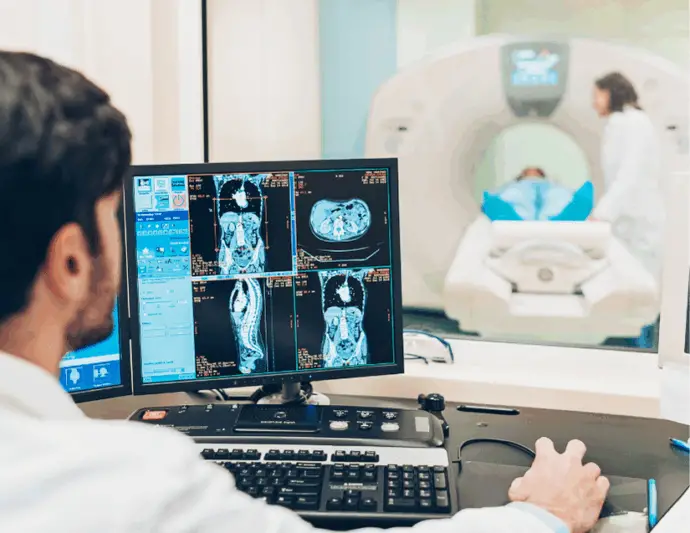
Likewise, failing conservative treatment indicates that imaging may be a reasonable next step.
4) Injection
Spinal injection is one of the final options before back surgery.
These procedures can delay or prevent surgery, and they are performed by spine surgeons or non-surgical spine specialists like physiatrists.
Spinal injections are informed by imaging findings and have therapeutic and diagnostic purposes – to ease pain and identify the source of pain.
5) Surgery
Surgery is the last resort – and unnecessary in >90% of low back pain cases.
But surgery has its place. And in rare, emergency cases, it’s necessary before a patient completes the previous 4 steps before back surgery.
I attend a yearly spine conference and learn about the latest developments in spine surgery. Each year I’m amazed at the rapid progression of surgical techniques.
Especially with less invasive techniques which are less disruptive to the spine’s mechanics and allow faster recovery. But surgery is just the start of the recovery process.

Recovery after spine surgery usually includes following spinal precautions (no bending, lifting, twisting) for a prescribed duration.
Then, rehab emphasizes walking and back muscle strengthening before a graded return to normal exercise and activities.
Further Reading
For more expert spine pain insights, check out this article summarizing one of the aforementioned spine conferences:
5 Greatest Back Pain Tips from Spine Experts
And for more evidence-based rehab insights, join the free Facts & Physio Newsletter. Plus, get The Recovery Checklist when you sign up.