
Stretching more doesn’t always fix tight hamstrings. Hamstring tightness is often the product of sciatic nerve tension or tight spots from overloading the muscle.
And stretching the hamstrings can be counterproductive if it irritates a sensitive sciatic nerve or accentuates excessive mobility.
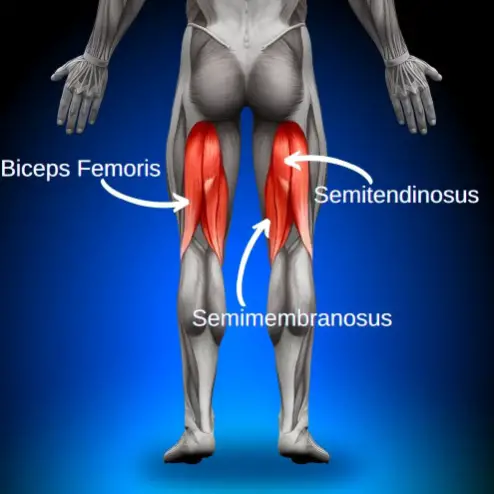
This article covers when you should stretch your hamstrings, 3 powerful treatments for hamstring trigger points, and the best strength exercises for building all 3 hamstring muscles.
When to Stretch Tight Hamstrings
First rule, don’t stretch before exercise.
Prolonged static stretching right before exercise impairs performance – it makes you slower, less explosive and weaker (temporarily).
Instead of stretching, opt for a dynamic warm-up before your workout.
So if you’re going to stretch, do it after your training session.
Second, consider stretching your hamstrings if you have poor flexibility.
Finally, hamstring stretching is smart if you participate in a flexibility-heavy sport that demands extreme hamstring mobility, like gymnastics or cheerleading.
An important caveat: Even if you lack flexibility or participate in a sport that requires stretchy hamstrings, strengthening exercises give you more bang for your buck.
That’s because hamstring strengthening increases flexibility and reduces injury.
Contrary to popular belief, static stretching does not prevent injury.

Relieve Hamstring Trigger Points
Trigger points are tight spots, or “knots” in the muscle. Trigger points show up for many reasons – overload, posture and nerve tension are common culprits.
Trigger points in the hamstrings cause referred pain to the butt and back of the knee.

Here’s how to fix tight hamstrings through trigger point treatment:
1. Soft Tissue Mobilization
Sit on a firm chair or bench. Place a lacrosse ball under your thigh on the sore spot.

Slowly bend and straighten your knee, using the ball to mobilize the soft tissues in the back of your thigh.
2. Manual Therapy
This is hands-on treatment by a professional, traditionally a massage therapist or physical therapist.
These pros identify trigger points in the hamstrings and apply hands-on techniques to relieve the sore spots.
3. Trigger Point Dry Needling
Dry needling is like massage on steroids…more painful and more effective.
For more on this popular treatment, check out The Authoritative Guide to Dry Needling.

The Best Hamstring Exercises
Last but certainly not least, try these 3 hamstring exercises to reduce injury risk, lengthen tight hamstrings and build a resilient posterior chain.
The hamstring muscles have two jobs: bend the knee and extend the hip.
Therefore, the ideal hamstrings program strengthens the hammies with both knee flexion and hip extension exercises.
1. Hamstring Bridge Eccentrics
This exercise is an easy starting point for hamstring training or rehab.

Start lying on your back with your feet under your knees. Lift your hips as high as you can, and slowly slide your feet away from you, controlling the descent with your hamstrings.
Once the hips reach the floor, slide your feet back to the starting position and repeat.
Progress from double leg to single leg as your strength improves.
2. Deadlifts
No exercise beefs up the entire posterior chain like the deadlift.
And I’ve made the case that deadlifts are the best exercise for low back pain, with the studies to prove it. It’s also a great tool to fix tight hamstrings.
To read up on the common deadlift technique faults, check out lower back pain after deadlifts.
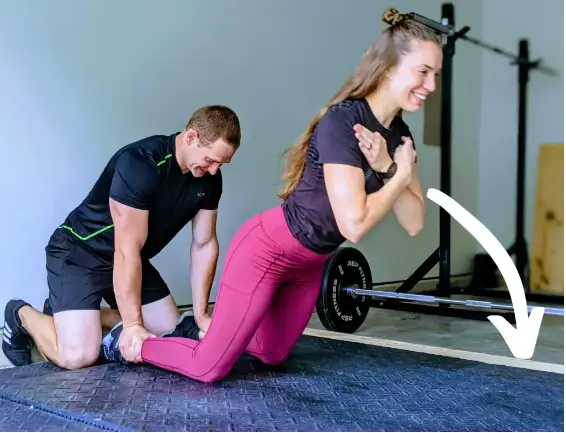
3. Nordic Hamstring Curls
These are the gold standard when it comes to preventing hamstring injury. Studies show they reduce hamstring injuries by about 50% in athletes.
Further Reading
For more keys to healthy hamstrings, including how to assess hamstring flexibility, check out Do Tight Hamstrings Cause Back Pain? (Evidence-Based)
And for more evidence-based health insights, join the free Facts & Physio Newsletter. Plus, get The Recovery Checklist when you sign up.