
New GLP-1 weight loss drugs suppress appetite and shrink waistlines. And in some cases, people’s grocery bills.
Some GLP-1 drugs (like semaglutide) were designed for diabetes control. Now they are repurposed for weight loss.
And studies find them undeniably effective. Those who take semaglutide shed pounds fast.
The biggest downside: semaglutide-induced weight loss includes significant loss of bone and muscle mass. Losing bone and muscle reduces metabolism. Not ideal.
So how do they work? These weight loss drugs (like semaglutide) are glucagon-like-peptide-1 (GLP-1) agonists. They lower blood sugar, trigger insulin release and act to suppress appetite to cause weight loss.
Today, 7 non-pharmacological strategies to reduce appetite for easy weight control.
1) Consume Caffeine
Caffeine can suppress appetite. And it elevates metabolism by increasing NEAT (non-exercise activity thermogenesis).
Plus, caffeine boosts athletic performance, focus, mood, motivation and pain tolerance by blocking adenosine receptors.

Caffeine is a popular, versatile supplement with applications for fat loss and exercise performance. This is my favorite non-coffee caffeine source (Amazon link).
2) Eat Protein
Protein is the most satiating macronutrient. And protein requires more energy to digest than fats or carbs.
Surprising research suggests that hyper-caloric, ultra-high protein diets don’t cause fat tissue gain as expected. So eat plenty of protein to suppress appetite and stay full for longer.
Related: The World’s Best Nutrient
3) Select Satiating Foods
Baked potatoes are the most filling food according to a classic 1995 study.
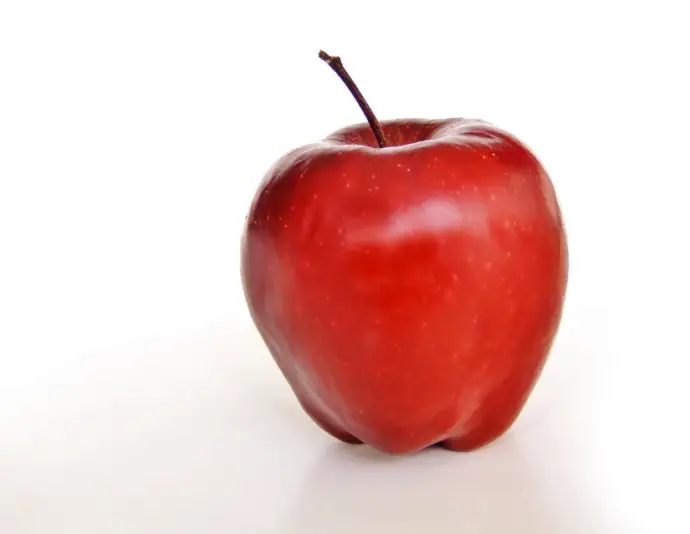
The most satiating foods are high protein, high fiber, or high volume. Fruit, veggies, whole grains, and lean meats fit the bill.
4) Eat When Hungry
Time your big meals for when you feel most hungry.
For example, I rarely wake up hungry. So when I’m tackling a fat loss phase, I don’t eat much breakfast.
Conversely, I enjoy eating a large dinner and going to bed with a full stomach. So I allocate much of my daily food intake to the evening.
(And no, eating carbs before bed doesn’t cause fat gain.)
5) Try Diet Soda
“Regular soda is healthier than diet soda” is an absurd claim. Especially with skyrocketing obesity rates due to energy toxicity (i.e. too many calories).
Calorie-free drinks are a nutritional “free lunch.” They contain no calories, and have some satiating value. Plus, diet soda can knock out sugar cravings for some.
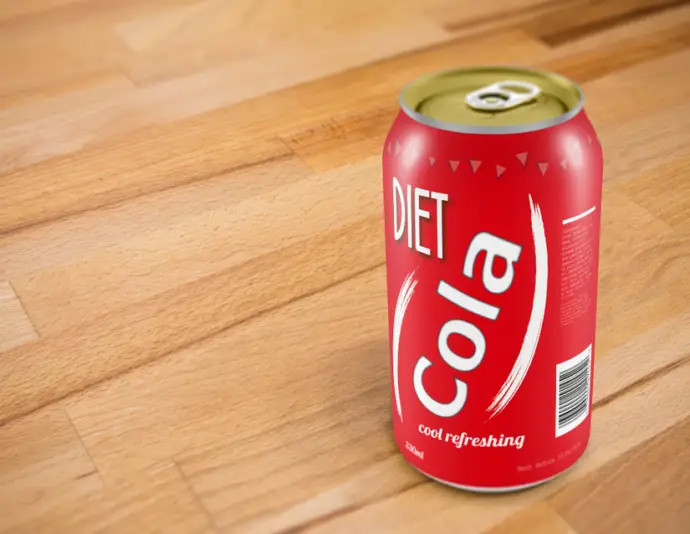
Artificial sweeteners are extensively researched and quite safe; risks may exist for people drinking over 1 gallon of diet soda every day.
6) Pick Bland Food
Canned tuna is called “Ozempic in a can.” At least that’s what I call it.
Eating bland food is not an exciting strategy. But it’s crazy effective.
Because nobody overeats broccoli and baked chicken breast. But bring out the pizza, chips and ice cream and it’s a whole different story.
The human brain is wired to crave calorie-dense foods. It’s a survival mechanism from back in our hunter-gatherer days.
But in the current high-calorie environment, our calorie-hungry brain counteracts efforts to stay lean.
7) Lift Weights
Exercise suppresses appetite. But that’s not the only body composition benefit…
The best way to increase your metabolism long-term?
It’s not sitting in an ice bath. Or eating expensive supplements by the handful. Or hours upon hours of cardio.
Instead, build muscle mass.
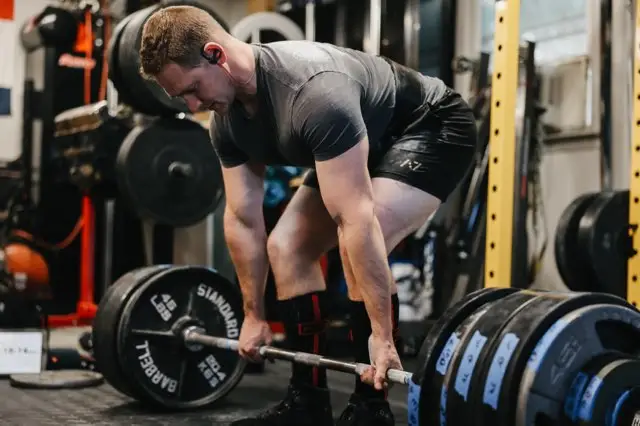
Each additional pound of muscle mass burns an extra 9-10 calories per day. While this might not sound like much, let’s try a thought experiment:
Imagine you start lifting and add 5 lbs of muscle in 3 months. Tough but realistic for a new lifter.
With an extra 5 lbs of muscle on your frame, you feel stronger and your metabolism cranks up high. You burn an extra 50 calories per day (5 lbs x 10 calories/day).
In 1 year, your extra muscle mass translates to an extra 18,250 calories burned. Or 5.2 lbs less fat tissue.
Easily enough to offset the insidious 1-2 lbs of fat tissue gain the average adult experiences each year.
Further Reading
If you’re serious about gaining muscle and boosting your metabolism for the long-term, you’ll want to check out our latest e-book.
In The Muscle Mass Guide, you’ll learn the foundational strategies to build muscle, including how to choose the best exercises and how often to train.
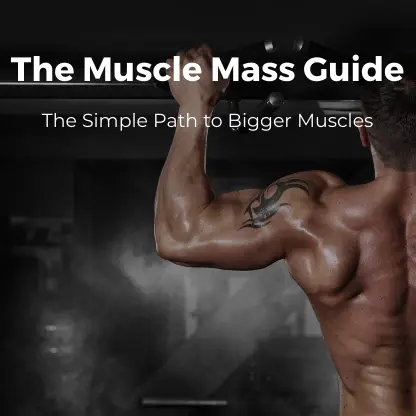
Plus, I reveal the top 4 supplements for building muscle – which can save you hundreds of dollars in supplement costs and years of frustration.
Finally, I tackle some of the most common muscle-building FAQs.
So if you’re interested in building muscle the right way, or if you have a friend or relative who would enjoy this book, you can pick it up here.