
Back pain started when I was about 14. And it didn’t let up. This is the story of how I survived low back pain – and how you can too.
Chronic back pain plagued me for the next decade.
The weird part was, my X-Rays looked normal. I never suffered a major injury.
The doctors couldn’t figure it out, and nobody could explain what was wrong with my back.
My symptoms got aggravated in an odd-but-predictable pattern – my back hurt more when I sat in class or hit the books. Road trips were the worst.
Strangely, movement felt good – I could walk, lift weights, and swing a golf club without pain.
Well, except for one time in college when fatigue and bad form caused me severe back pain after deadlifts.
After college, I had two goals in PT school: graduate with a Doctor of Physical Therapy degree, and figure out how to manage my chronic back pain.

Before we dive into the back pain research, I should warn you: Back pain stats are simultaneously dismal and encouraging. You’ll see what I mean.
The Bad News
On one hand, spine pain is astronomically expensive to society – even more costly than diabetes, the 2nd most expensive medical issue.
Spine pain even outpaces spending on heart disease, the 3rd-most expensive medical condition in the U.S. (and the topic of this email newsletter).
And despite all the healthcare spending, spine pain outcomes aren’t good.
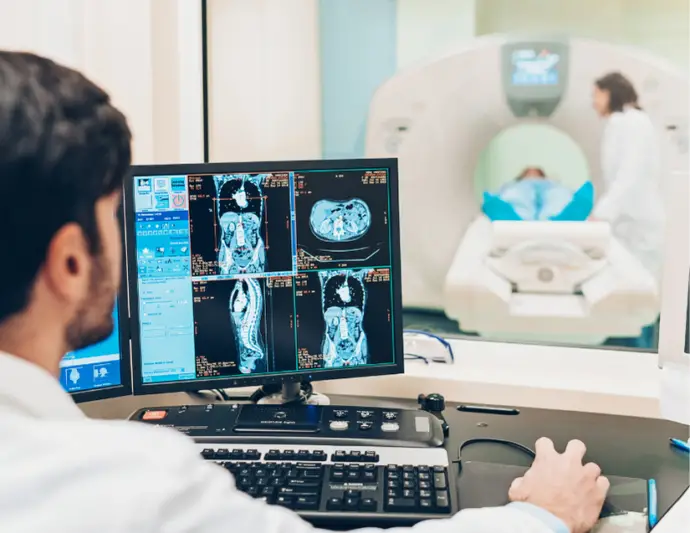
Recent practices like gratuitous opioid prescription, unnecessary advanced imaging and unproven PT treatments only worsen the spine pain problem.
The Good News
On the other hand, a 2023 study confirms that most low back pain episodes resolve faster than you can say “spinal alignment.”
The average back pain case resolves in 5 days!
The study also found that just 40% of people with back pain seek treatment (and that’s okay).
Most low back pain resolves on its own. For example, 70% of back pain episodes resolve within a week, and 91% resolve within 3 weeks.
In summary, acute low back pain has an excellent prognosis.
Bad Medicine
What characterizes the worst PT treatments?
Creating dependence.
Active treatments (done by the patient) consistently outperform passive treatments (done to the patient).
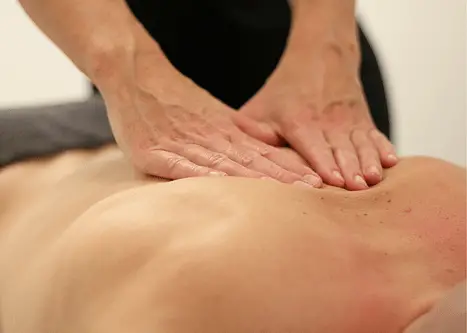
A treatment plan that consists solely of passive treatments – like ice, heat, medications, rest, massage, manipulation – is a flawed plan.
Even NSAIDs like ibuprofen, which many back pain treatment guidelines recommend, may contribute to chronic back pain, according to recent research.
Read up on the best (and worst) PT treatments in this article:
Ranked: 10 Popular Physical Therapy Treatments
The Best PT
Physical therapy is the best starting point for low back pain.
And the best physical therapists take an active approach to back pain, tailoring movement-based treatments to get their clients back meaningful activities.
Expert clinicians also recognize relevant psychosocial factors that delay recovery, like depression, fear of movement, insufficient sleep and lack of social support.
The best PT’s also use passive treatments judiciously to accelerate recovery.
Spinal manipulation, dry needling, manual therapy and percussion therapy relieve back pain most effectively when combined with exercise-based interventions.

Trifecta
In PT school, I finally learned how to manage my back pain. These 3 treatments gave me overdue pain relief. Here’s how I survived low back pain:
1. McKenzie Exercises
McKenzie exercises are repeated movements that create immediate pain relief. And they work for ~70% of back pain sufferers!
I learned that my back pain was flexion-sensitive, which is why sitting hurt so much. And I learned how to use proper lumbar support so I could sit with less pain.
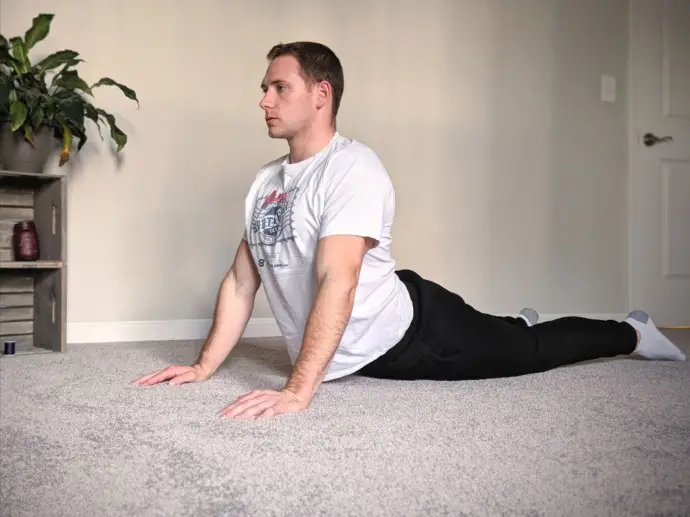
Lastly, I used extension-based stretches (like the one shown below) to relieve back pain and increase range of motion.
Learn the best McKenzie exercises in this article:
3 Simple Exercises for Immediate Low Back Pain Relief
2. Deadlifts
Arguably the best exercise for back pain, deadlifts (with proper technique) build enormous posterior chain strength.
Beefing up my back muscles made them more resilient for everyday activities, like chasing my young children around the house.

3. Dry Needling
I have opted for trigger point dry needling on several occasions to relieve back pain flare-ups.
You can find out more about this popular treatment here:
The Authoritative Guide to Dry Needling
Related Posts
For more evidence-based back pain insights, check out these articles:
5 Greatest Back Pain Tips from Spine Experts
What elite spine surgeons and physiatrists really think about back pain.
Debunked: 10 Myths About Low Back Pain
Dispelling the biggest misconceptions about lumbar spine pain.
7 Proven Pinched Nerve Exercises
The best sciatica relief exercises, according to science.