
Muscle mass is crucial for excellent health and top-tier physical function.
And while flexing muscular arms in the mirror is a fun perk, consider these underrated benefits from building muscle mass:
Increased Metabolism
Muscle mass is crucial for metabolic health. And bigger muscles burn more calories. Specifically, about 9-10 extra calories per day, per pound of muscle tissue.
Translation: When you have more muscle mass, you can eat more and stay lean.
Better Physical Function
On the high end of the performance spectrum, muscular athletes can jump higher, run faster, lift more, and perform better than their less muscular peers. Plus, they enjoy lower injury risk.

On the lower end of the performance spectrum, older adults with more muscle mass move better, live more independently and fall less often.
Less Pain
Muscle strength reduces sports injury risk. And daily life injury risk. That’s something stretching won’t do.
Sharper Cognition
The musculoskeletal system is intricately involved in regulating cognitive health. Low muscle mass is consistently linked to poorer cognition in older adults.
So without further ado, here are 3 essential steps to building muscle mass:
1) Proper Nutrition
Building muscle mass requires these 2 nutrition habits (hint: neither one is “eating healthy”).
First, eat a calorie surplus. Optimal muscle mass gains occur when the body has extra fuel (calories) to convert into muscle tissue.
The pipe dream of losing fat and gaining muscle simultaneously is possible, but inefficient. Here’s why:
Losing fat requires a calorie deficit. Gaining muscle works best with a calorie surplus.
Can “body recomp” happen? Can someone lose fat and gain muscle at the same time?
Yes, but only under the right circumstances – typically untrained, overweight individuals on a well-written training plan.
Body recomposition is a slow, arduous process. That’s why the best strength athletes employ bulking (muscle gain) and cutting (fat loss) phases periodically throughout the year.
Second, eat enough protein. Healthy adults require 0.7 to 1.0 grams of protein per pound of body weight each day to maximize muscle mass. For a 150 lb adult, that’s about 110 to 150 g of daily protein intake.
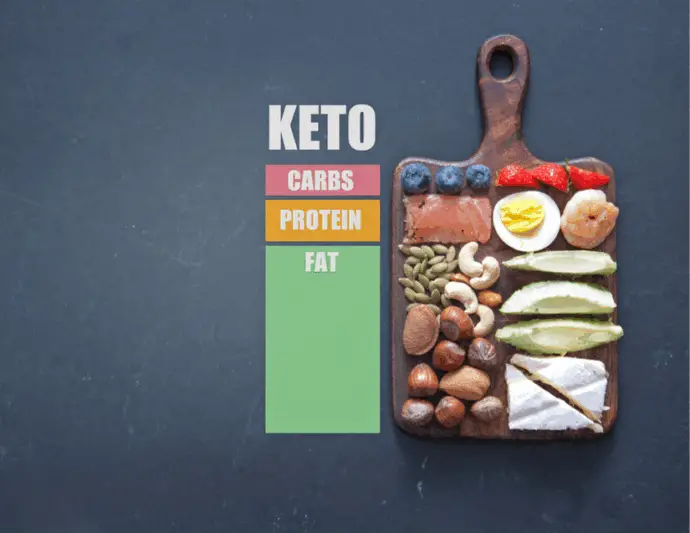
Alongside adequate protein intake, moderate to high carbohydrate intake also promotes muscle gain through various hormonal and cellular mechanisms.
So unfortunately, keto is not the ideal muscle-gain diet.
2) Resistance Training
Unless you take an egregious amount of anabolic steroids (which is probably a bad idea), you need to lift weights to build muscle.
Here are the basics:
- Train major muscle groups 2-3 times per week
- Use compound movements to target multiple muscle groups at once
- Perform 10-20 sets per muscle group, per week
- Work in the 5-15 repetition range for most sets
And most importantly, implement progressive overload, the concept of adding repetitions or weight to the bar over time.
Gaining muscle through bodyweight exercises and band work is possible, but not optimal. Training with free weights and weight machines makes progressive overload more simple, building muscle mass faster.

3) Get Specific
Specificity is the exercise science concept that the human body adapts specifically to the training stimulus.
For example, performing 5 repetitions of heavy barbell squats makes an athlete better at performing 5 reps of heavy barbell squats. The adaptations don’t necessarily transfer to other lifts or activities.
So the athlete may not necessarily become a better tennis player or a faster distance runner by gaining proficiency with barbell squats.
Similarly, studies show that doing balance exercises on a BOSU ball makes your balance better… on a BOSU ball.
Bottom Line: Select exercises similar to your intended goal for better carryover and elevated performance.
Next Steps
If you’re serious about gaining muscle and increasing your metabolism, you’ll want to check out our muscle gain e-book.
In The Muscle Mass Guide, you will learn the foundational strategies to build muscle, including how to choose the best exercises and how often to train.
Plus, I reveal the top 4 supplements for building muscle – which could save you hundreds of dollars in supplement costs and years of frustration.
Finally, I tackle muscle-building FAQs, like whether you can avoid gaining fat while adding muscle mass.
So if you’re interested in building muscle the right way, or if you have a friend or relative who would enjoy this book, you can pick it up here.
Want a more personalized approach to reach your goals faster?
Work 1-on-1 with me. I’ll send you a custom training program and evidence-based nutrition guidelines matched to your goals.
Plus, regular check-ins will keep you on track. Leverage my expertise and experience to hit your health goals faster.
You can learn more learn more here.