
The newest GLP-1 weight loss drugs are taking the world by storm. And too many people are making this huge GLP-1 mistake.
They have inspired legal battles between drug companies, featured in 4 Super Bowl ads, and highlighted the gray area of pharmacy-compounded medications.
One development I’ve noticed recently: Ads for weight loss drugs to treat other conditions (like obstructive sleep apnea) to get insurance coverage for the medication.
In this article: How they work, why they work, and their overlooked downsides.
How Do GLP-1s Work?
These GLP-1 medications (e.g. semaglutide) are glucagon-like-peptide-1 (GLP-1) agonists. They lower blood sugar, trigger insulin release, slow digestion, and send fullness signals to the brain.
Ultimately, they suppress appetite to reduce food intake and cause weight loss.
My physical therapy clients who take GLP-1 medications report not feeling very hungry, minimal cravings, and sometimes having to force themselves to eat.
Do GLP-1s Work for Weight Loss?
In short, yes.
GLP-1’s are very effective for weight loss. The literature shows GLP-1’s reduce body weight, BMI, and waist circumference – all positives for metabolic health.
The Downsides
Along with common side effects – mostly GI issues – one underappreciated GLP-1 mistake can cause long-term health problems:
A significant proportion of GLP-1 induced weight loss is due to muscle and bone loss – 40 to 60% of total weight loss in some alarming cases.
Long-term, losing bone and muscle mass reduces metabolism. Not ideal.
Practically, this can contribute to osteoporosis and sarcopenia (muscle loss), especially in older adults.
Ultimately, this translates to worse balance, increased fall risk, less independence, and more frailty.

“Diet and Exercise” and GLP-1s
The fine print for GLP-1 meds encourages proper “diet and exercise” when using the medication. But what does that even mean?
Consider these 3 key principles:
First, not losing weight too fast. Nutrition experts often advise losing up to 1% bodyweight per week. Faster weight loss rates will sacrifice more lean body mass (muscle and bone tissue).
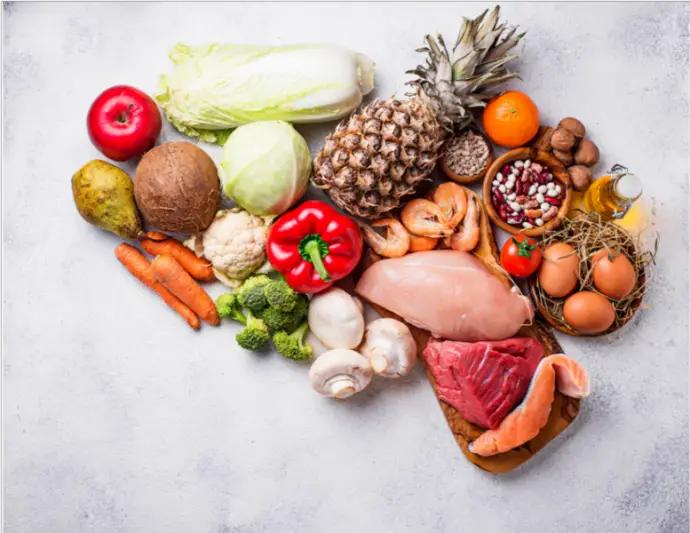
Second, adequate protein intake is crucial for retaining muscle tissue during weight loss. Minimum protein intake is 0.36 g/ lb of bodyweight per day, but consuming up to 1.0 g/lb of bodyweight is better for preventing muscle loss during a fat loss phase.
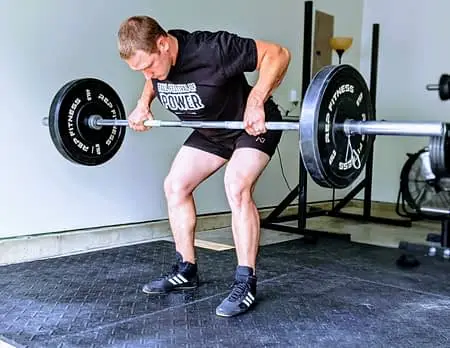
Third, consistent resistance training promotes increased bone and muscle mass – or at least mitigates loss of this precious tissue. Experts recommend adults perform at least 2-3 days/week of resistance training, targeting the major muscle groups in the body.
I’ve talked with a lot of people taking GLP-1’s. Unfortunately, only a few are doing it right to maximize their long-term musculoskeletal health and avoid the most common GLP-1 mistake.

A Free Lunch… Almost
GLP-1 medications are incredible tools, especially for individuals who struggle to lose weight with traditional diet and exercise.
These meds are a powerful tail-wind to fuel weight loss efforts and improve health.
One day, scientists may develop weight loss meds that spare bone and muscle tissue. But until then, proper diet and exercise are non-negotiables for healthy weight loss with GLP-1’s.
Build a Furnace
Whether you choose to take GLP-1’s or not, consider the best way to increase your metabolism long-term.
It’s not sitting in an ice bath. Or eating expensive supplements by the handful. Or hours upon hours of cardio.
It’s building muscle mass.
Each additional pound of muscle mass burns an extra 9-10 calories per day. While this might not sound like much, it can make a massive difference over time.
Imagine you start lifting and add 5 lbs of muscle in 3 months. Tough but realistic for a new lifter.
With an extra 5 lbs of muscle on your frame, you feel stronger and your metabolism cranks up high. You burn an extra 50 calories per day (5 lbs x 10 calories/day).
In 1 year, your extra muscle mass translates to an extra 18,250 calories burned. Or 5.2 lbs less fat tissue.
Easily enough to offset the insidious 1-2 lbs of fat tissue gain the average adult experiences in an average year.
Learn More
If you’re serious about gaining muscle and boosting your metabolism for the long-term, you’ll want to check out our newest e-book.
In The Muscle Mass Guide, you’ll learn the foundational strategies to build muscle, including how to choose the best exercises and how often to train.

Plus, I reveal the top 4 supplements for building muscle – which can save you hundreds of dollars in supplement costs and years of frustration.
Finally, I tackle some of the most common muscle-building FAQs.
So if you’re interested in building muscle the right way, or if you have a friend or relative who would enjoy this book, you can pick it up here.
And for more practical, science-backed insights for health and wellness, join the free Facts & Physio Newsletter. Plus, get The Recovery Checklist when you sign up.