
“Does your CBD cream work?” I asked.
“Well, I rub it on the sore area. I think it helps, but maybe it’s placebo” my PT client replied.
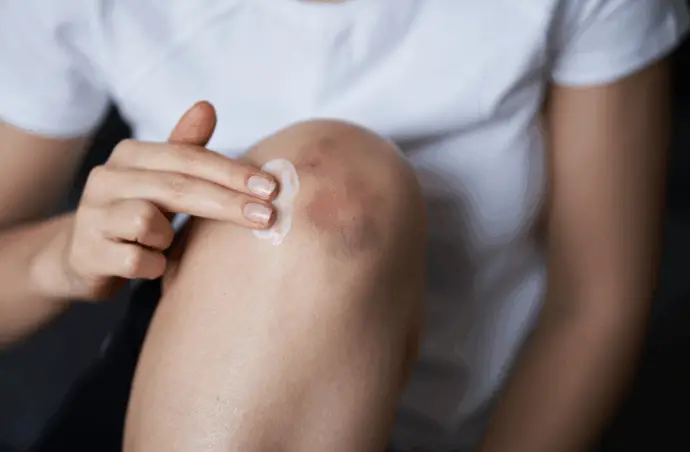
Most people are familiar with the pain and placebo relationship – a “fake” treatment with no therapeutic benefit causes measurable pain reduction. The most common placebo treatment is a sugar pill.
Here’s what I never hear: “I think surgery helped, but maybe it’s placebo.”
Everything is Placebo?
Here’s the uncomfortable truth: all treatments have a placebo effect, including surgery.
That’s why scientists test treatments against the placebo effect.
Effective interventions don’t work instead of the placebo effect. They work beyond it.
Dose-Response
Aggressive treatments create larger placebo effects.
For example, 4 placebo pills accelerate ulcer healing faster than 2 placebo pills, according to a 1999 study.
This is called a dose-response relationship. The bigger the dose (or perceived dose), the bigger the response.
Surgery is a massive “dose.” So the placebo effect contributes to many post-operative improvements.

Expectations drive the placebo effect. Consider these bizarre study results:
- Placebo injection relieves migraines better than a placebo pill
- Expensive medications work better than inexpensive medications. Even when it’s the exact same drug!
- Ultrasound, one of the lowest-ranking PT treatments, relieves back pain faster when the PT explains why the treatment is supposed to reduce pain.
Sham Surgery
Faking a surgery (sham surgery) is rare because of obvious ethical issues – ethics panels consider the practice “sus” (as the kids say) because it’s so deceptive.
Here’s what happens in sham surgery:
The surgeon makes incisions on the skin, but doesn’t actually do the surgery. Then the patient is reassured that their surgery went well.
And they feel better.
The sham surgery research is shocking. Sham surgery relieves pain from knee arthritis and meniscus tears. It even reduces Parkinson’s disease symptoms!
Unfortunately, sham surgery doesn’t work so well for calf implants. I checked (for a friend of course).
What’s Missing?
This is what Western medicine misses most: Pain does not equal tissue damage.
Pain is much more complicated.
The biomedical model focuses on identifying and correcting tissue injury. But this understanding of pain is incomplete at best, and misguided at worst.
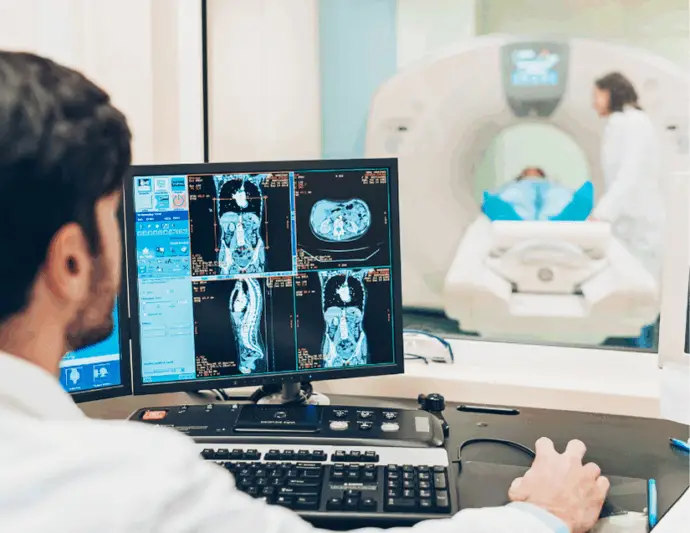
The bio-psycho-social (BPS) model explains pain and placebo better.
In short, the BPS model recognizes that pain is multifactorial – it’s influenced by an individual’s biology, psychology, and social context.
Proponents of the BPS model point to sham surgery studies as evidence that pain is far more complex than tissue status.
After all, if tissue damage causes all the pain, fake surgery would have zero benefit because it fails to correct the damaged tissue.
Try This First
Before opting for an elective, non-emergency orthopedic surgery, consider these 3 steps:
1. Mind Over Matter?
Address relevant psychological factors. Stress, anxiety, depression, fear and negative expectations all amplify pain and delay healing.
Cognitive-behavioral therapy is one of the best psychological interventions to address these types of issues.
2. Vacation
Travel with your best friends. Relaxation and time with your social circle are two of the best pain-relievers.
We literally hurt less in the presence of loved ones.
Even if vacation isn’t in the cards, spend extra time connecting with loved ones and see if your pain disappears.
3. Physical Therapy
I saved the best for last (my totally biased opinion). Do good PT for at least 6 weeks – ice and e-stim doesn’t count.
Physical therapy produces similar outcomes to (real) surgery for rotator cuff tears, back pain and meniscus injuries.

Avoid Surgery?
I’m not anti-surgery.
Orthopedic surgery is the right choice for many situations. But it’s not the only option. And it doesn’t always work.
Orthopedic surgery promises a quick fix, the perceived panacea for every injury. But pain and swelling can last for 6-12 months after a significant operation.
For example, about 20% of patients experience long-term knee pain after knee replacement surgery.
“I wish my surgeon had told me the recovery would take this long” is a familiar refrain from my post-op clients.
Still, patient satisfaction rates are high after orthopedic surgery – about 85% of patients are satisfied after total knee replacement.
Further Reading
Learn more about the wild world of expectations, including how they add years to your life:
Adopt This Mindset to Live 14% Longer
And for more evidence-based rehab insights, join the free Facts & Physio Newsletter. Plus, get The Recovery Checklist when you sign up.