
Spinal Manipulation Therapy (SMT) is a treatment technique performed by chiropractors, physical therapists, and doctors of osteopathy.
SMT proponents claim it relieves back tightness and eases nerve pain. Some even say it cures asthma!
Today, we’ll explore what SMT actually does and debunk the biggest myths about this controversial treatment.

The Mechanics of Spinal Manipulation
To perform spinal manipulation, the clinician positions their client’s spine so a gentle stretch is applied to the target joint.
Then, the clinician exerts a high-velocity, low-amplitude (HVLA) thrust to stretch the joint further.
This HVLA force often causes a “pop” or cavitation at the joint.
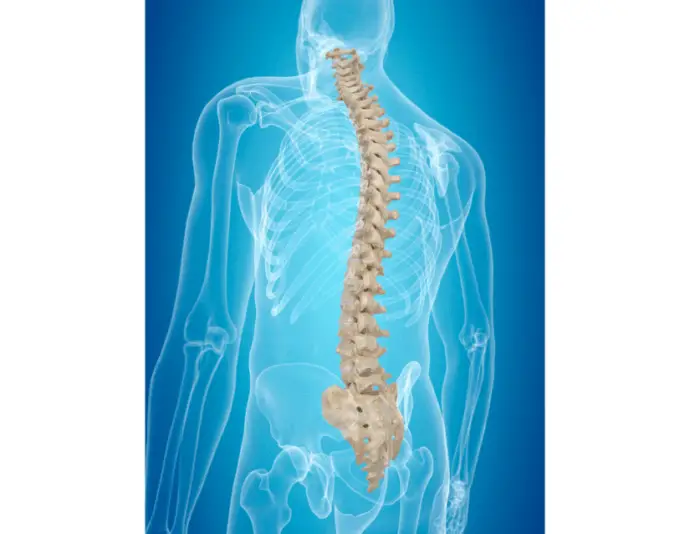
Most spinal manipulation techniques target the cervical spine (neck), thoracic spine (mid back), and lumbar spine (low back).
4 Manipulative Myths
These common myths claim that SMT…
1. Re-aligns The Spine
This is the most pervasive spinal manipulation myth. But this theory is riddled with holes.
First, a 1998 study found that spinal manipulation to the SI joint doesn’t reposition bones.
Second, spinal manipulation is not specific, causing cavitation several levels above and below the target joint. So it’s about as precise as a blind-folded archer.
And third, even the clearest images of spine position and structure have no correlation to pain.
Ironically, a Chiropractic journal said it best:
“Changes elicited by spinal manipulation are… not by ‘clicking or pushing bones back in place’ – a common and outdated misconception”
2. Relieves Nerve Pain
In reality, spinal manipulation works better for neck and back pain without nerve pain.
For conditions like sciatica and cervical radiculopathy, other treatments are superior to SMT.
3. Enhances Long-Term Health
This claim has little research behind it; it’s probably false. For instance, scientific support is lacking for SMT-mediated immune system benefits.
So if someone says you need spinal adjustments 3 times per week forever, it’s a safe bet that your spine isn’t the only thing being manipulated.
4. Cures Asthma
This claim is completely false. Research shows spinal manipulation is useless for treating asthma. And it’s not recommended for treating ailments like allergies and ear infections.
Real Effects
Spinal manipulation does impact spinal joints and surrounding muscles. Short-term, manipulation reduces pain and increases range of motion because of its effects on the nervous system.
Fun fact: The “pop” sound originates from gas bubbles forming and dissipating inside the joint fluid.
Nothing is being “cracked” back into place, nor does cracking your back or knuckles cause arthritis.
The Proven Benefits
Despite false claims that spinal manipulation is a panacea, SMT shows promise for some types of neck and low back pain.
Specifically, individuals with acute musculoskeletal pain and stiff spinal joints benefit most from spinal manipulation.
Expectations drive outcomes, too; those who anticipate pain relief from manipulation fare the best.
Conversely, SMT is less effective for hypermobile individuals, those with low expectations, and folks with spine-related nerve pain.
The Risks
When performed by a trained expert, SMT is a relatively safe treatment. Most side effects are mild and transient.
However, rare and serious adverse events can occur, most notably with cervical spine manipulation. SMT techniques targeting the neck can damage nearby arteries, though these instances are quite uncommon.
Consequently, some physical therapists opt for lower-velocity joint mobilizations in the cervical spine, which provide equivocal pain relief without the risks associated with manipulation.
Despite the risks of rare-but-serious injuries, cervical spine manipulation remains a common practice among health professionals. And neck manipulation is recommended by PT treatment guidelines for neck pain and cervicogenic headaches.
Lumbar and thoracic spine manipulation is generally considered safe, as long as the patient does not have contraindications like osteoporosis (weak bones).
The Verdict
Spinal Manipulation Therapy is a popular and controversial treatment approach.
SMT does not realign or reposition the spine, nor does it have clear benefits for non-musculoskeletal issues.
However, it is a solid treatment option for relieving neck and back pain.
Spinal manipulation is a relatively safe treatment technique, but experts continue to debate the risk-benefit profile of neck manipulation.
Further Reading
Learn about the science (and problems) of spinal alignment for health and vitality. Plus, what actually works to keep your spine healthy:
Spinal Alignment: 5 Problems with This Popular Theory
And for more evidence-based rehab insights, join the free Facts & Physio Newsletter. Plus, get The Recovery Checklist when you sign up.