
This article unravels the mysteries and misconceptions about arthritis. Including the truth about osteoarthritis – and why it’s often no big deal.
The Big One
Osteoarthritis is by far the most common type of arthritis. It affects one or several joints independently, unlike systemic types of arthritis (e.g. rheumatoid arthritis) that cause symptoms at many joints.
The Breakdown
Those well-versed in medical terminology can figure out that osteoarthritis affects bones (osteo = bone). Specifically, osteoarthritis (OA) occurs at the joint where two bones meet.
Picture the knee, where the femur and tibia (upper and lower leg bones) meet. Between these bones sits joint cartilage, a low-friction surface that facilitates smooth movement.
Osteoarthritis is cartilage breakdown within the joint, causing pain, stiffness and disability… or maybe it’s a pain-free process that happens as we get older – like facial wrinkles or graying hair 🤔
At Risk
Who gets arthritis? And why?
These are some of the biggest risk factors for developing osteoarthritis:
Age: OA incidence skyrockets as we get to middle and older ages. More on this later.
Genetics: Family history affects OA risk, but a genetic disposition doesn’t mean arthritis is inevitable.
Joint Injury: Joint injury, including surgery, is one of the biggest risk factors for osteoarthritis.
Obesity: Obesity contributes to osteoarthritis risk in several ways. First, excessive joint loading can accelerate cartilage breakdown. Second, obesity-related comorbidities can delay healing and increase arthritis risk. Finally, obesity creates chronic inflammation throughout the body which contributes to inflammatory conditions like OA.
Overuse: Just like other tissues in the body, cartilage grows stronger with training and adequate recovery. Excessive training stress and training through injury elevate OA risk.

The Strangest Part about Arthritis
Arthritis is normally diagnosed via X-Rays. X-rays show bone tissue and arthritic cartilage clearly. So arthritis is easily seen on X-Rays.
Here’s the strange truth about osteoarthritis:
Arthritis on X-Rays and clinical symptoms like pain, tightness, and stiffness are poorly correlated.
What’s more, most middle-aged and older adults have asymptomatic osteoarthritis.
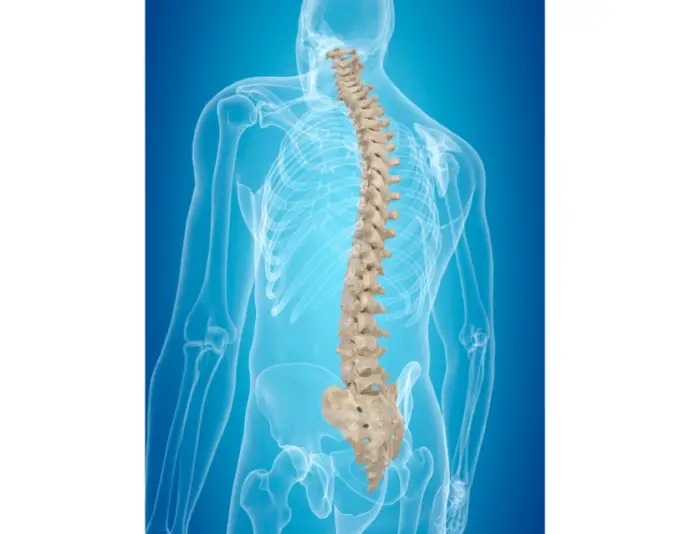
In fact, by their 30s, 52% of pain-free adults have arthritic changes on spine imaging.
This is why scientific guidelines recommend against X-Rays for most cases of low back pain.
Signs of Arthritis
X-Rays alone are insufficient for diagnosing OA. Imaging findings need to be correlated with signs & symptoms like morning stiffness, reduced range of motion and crepitus (popping and clunking inside the joint).
In my physical therapy practice, I regularly treat patients diagnosed with osteoarthritis and discover that their pain is originating from a completely different source.
Somehow I Manage
These are the best strategies to manage osteoarthritis:
Prevent: Prevention is the best medicine when it comes to arthritis. While some factors are non-modifiable (genetics, age), reducing arthritis risk is achievable: Exercise regularly (but not excessively), maintain a healthy body weight, maximize muscle mass and maintain range of motion.
Support: Likewise, building strong musculature around a sore or arthritic joint offers support and stabilization to ease pain and maximize function.
Sweet Spot: Just as with arthritis prevention, find a sweet spot with activity. On one extreme, avoiding pain can create a sedentary lifestyle that packs on excess body weight and causes more joint stiffness and pain. On the other extreme, ignoring pain during high impact activities can flare up arthritis symptoms.
Not Your Image: Expert healthcare providers educate clients that “you are not your image.” In other words, just because an X-Ray showed some arthritis, this doesn’t necessarily correlate well with current or optimal pain and function.
Many folks walk around with osteoarthritis and no hint of pain or limitation.
Further Reading
For more insights on the shockingly common findings on pain-free individuals’ imaging studies, read how bulging discs are no big deal (usually)
And for more evidence-based health insights, join the free Facts & Physio Newsletter. Plus, get The Recovery Checklist when you sign up.