
If you’ve been reading Facts & Physio for a while, you know that I’m not a fan of static stretching.
Despite its popularity, static stretching is full of empty promises and it falls woefully short of expectations.
For example, static stretching doesn’t reduce injury risk. Pregame stretching worsens athletic performance. And static stretching does not improve healthy aging indicators like strength, endurance, walking speed and balance.
For a static stretching deep dive, check out 5 Reasons Stretching is Overrated as well as 3 Common Myths About Stretching.
Nevertheless, static stretching isn’t completely useless.
Here are 3 instances when static stretching actually works:
1) Regaining Lost Motion
Static stretching can restore a joint’s full range of motion, especially after surgery.
Regaining full motion is a key rehab goal after orthopedic surgery.
Always follow rehab guidelines provided by your surgeon and rehabilitation team – improper stretching can delay recovery and even damage the surgically repaired tissue.
2) Pain Relief (Sometimes)
Static stretching is occasionally beneficial for non-operative rehab.
For example, calf stretching actually works for plantar fasciitis relief. And frozen shoulder also benefits from static stretching to enhance shoulder flexibility.
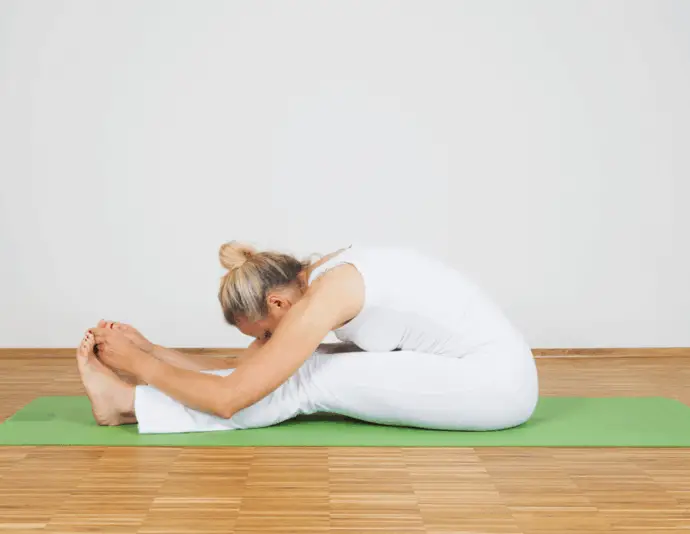
Low-load, long duration stretching works best for frozen shoulder – and other conditions – to lengthen stiff tissue without exacerbating pain.
3) After Exercise
In a non-rehab context, stretching after exercise is the best choice for those who want more flexibility.
Note: Smart stretching is goal-oriented – gaining flexibility to boost athletic performance, master a new yoga pose, or tie your shoes more easily.
Stretching just to stretch is usually a waste of time.
Anyways, back to stretching after exercise…
Post-workout, your muscles are warm and limber, allowing a deeper stretch. And you don’t have to worry about the negatives of pre-exercise stretching – worse performance and potentially increased injury risk.
Before exercise, opt for a movement-based (dynamic) warm up. Feeling stiff? Include eccentrics, foam rolling or percussion therapy to enhance flexibility before training.
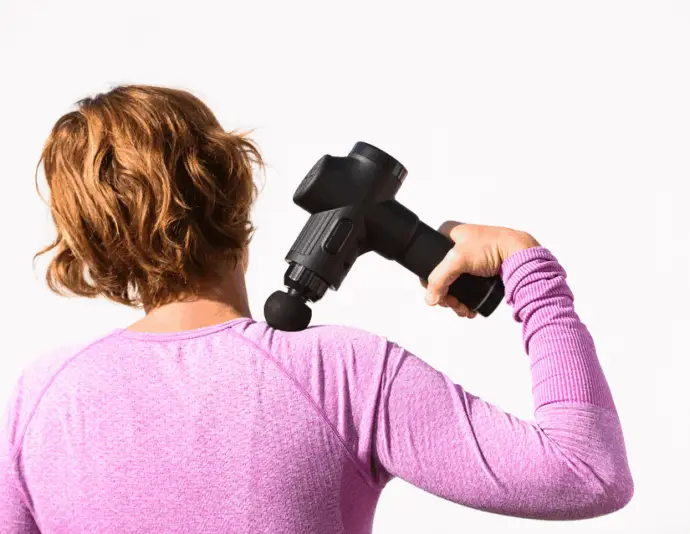
Better Than Stretching?
Stretching actually works for restoring motion, relieving pain (sometimes) and gaining flexibility after exercise. But there’s a superior alternative that’s usually even more effective.
Research shows eccentric strengthening exercise increases muscle flexibility like static stretching. And it provides added benefits of strength and motor control through the desired motion.
The eccentric part of an exercise is the lowering portion – descending into a squat or to the bottom of a push-up, for example.
Let’s say you’re trying to increase your squatting flexibility.
You could do static stretching to target your glutes and lower back muscles with a lying knee-to-chest stretch. No problem. Alternatively, you could hold a barbell or kettlebell and practice slow descents (eccentrics) into a squat position.
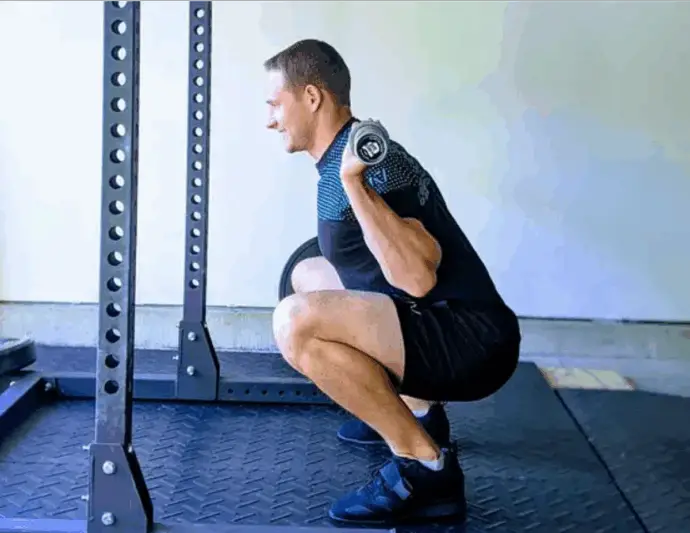
This option increases flexibility like static stretching, and also enhances control and strength into a squatting position.
Finally, static stretching isn’t a pillar of the physical activity guidelines.
What are the two pillars of physical activity? Moderate aerobic exercise for 2.5 hours per week and muscle strengthening exercise 2x per week.
Further Reading
Learn how I prevented injury by getting stronger and less flexible. Plus, the science behind building resilience and strength. And why strength is more important than flexibility for reducing injuries.
How to Get Strong and Stop Hurting
And for more evidence-based rehab and recovery insights, join the free Facts & Physio Newsletter. Plus, get The Recovery Checklist when you sign up.